Skip to content
I messed this up once. Bought “drapes” for my kitchen because the word sounded fancy. 2 weeks later, I had grease stains on the velvet and zero way to wipe them down. Lesson learned: these 4 things are not the same. And calling everything “curtains” will cost you money and sanity.
If you’ve stood in a home store touching fabric samples while a salesperson throws around “blackout lining” and “cellular construction,” you know the feeling. Here’s the real difference, from someone who’s bought the wrong one, cleaned the wrong one, and argued with an installer about measurements.
1. Curtains: The casual, changeable ones
What They Do Well
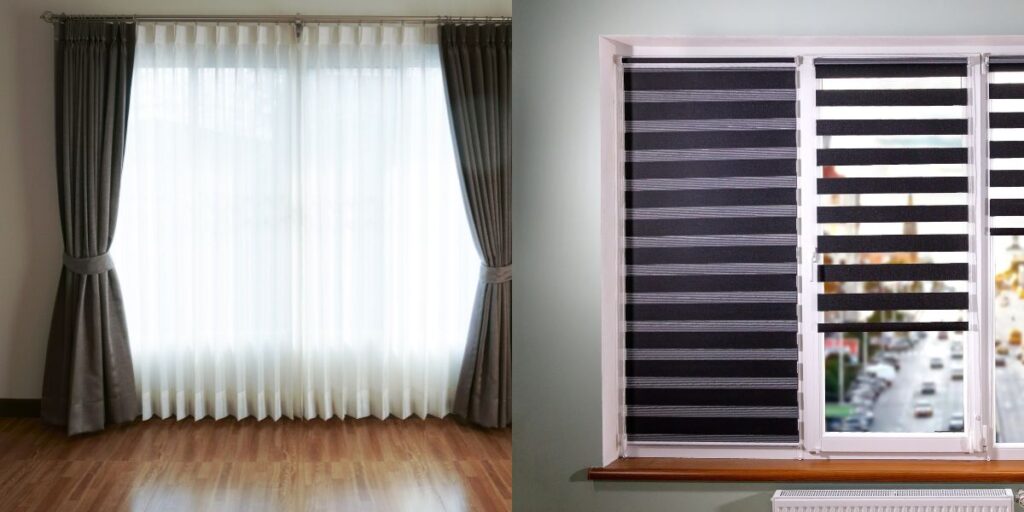
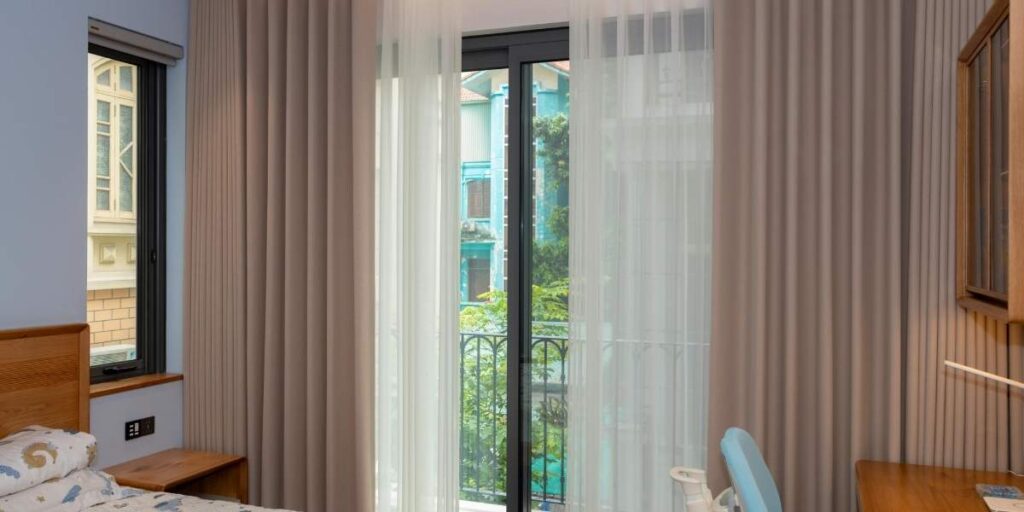
- Color and pattern options are endless. Want floral, geometric, stripes, boho print, or abstract art? Curtains have it. You can match them with 15 cushions, and the room feels coordinated.
- Light to medium light filtering. They soften harsh sunlight but don’t kill the room. Perfect if you hate cave vibes.
- You can toss them in the washing machine if the fabric
- allows. Huge win if you have kids who use curtains to wipe chocolate hands. I’ve been there.
- Cheap to replace. Tired of the look after 2 years? Swap panels and the room feels new. No installer needed.
Where They Suck
They won’t black out a room. At night, with lights on, people outside can see your silhouette if they’re unlined. My old flatmate learned that the hard way. Also, they don’t insulate much. My bedroom curtains in winter felt like decorative air. Cold air just poured around the edges.
Use Them When
Living room, dining room, guest room, any space where you want style and softness over function. If you love changing decor on a budget every season, curtains are your friend.
2. Drapes: Curtains that went to the gym
What They Actually Are
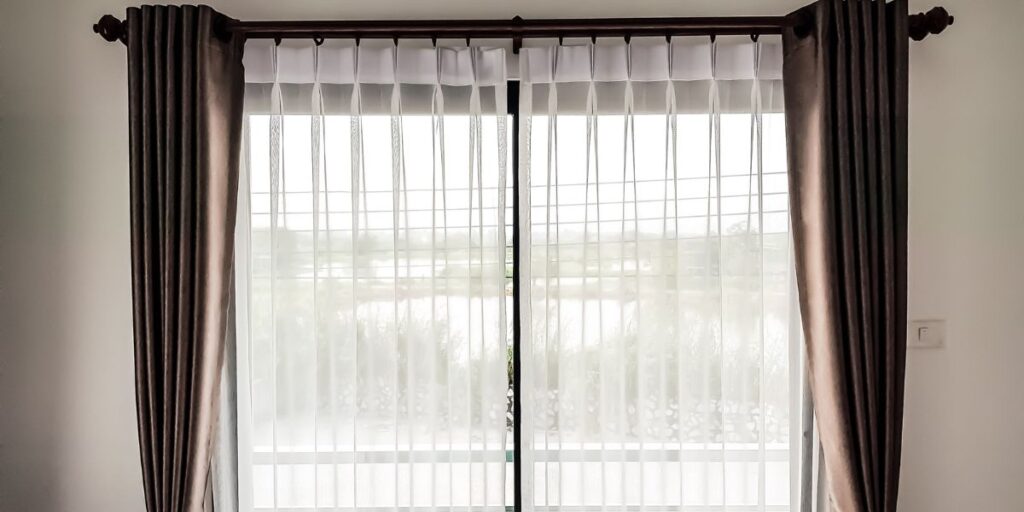
Heavyweight curtains. Same idea, different fabric and construction. Usually velvet, brocade, damask, or thick polyester. Always lined, often with thermal or blackout lining. Floor to ceiling, structured folds, formal vibe.
What They Do Well
- Block light like a champ. Blackout drapes: 6 am sunlight doesn’t exist. I slept through sunrise for the first time in years after installing them. Life-changing if you work the night shift.
- Insulate. Thick fabric + lining keeps heat in winter and out in summer. My heating bill dropped about 10% a month after switching. The room felt less drafty instantly.
- Look expensive: the weight makes them hang in perfect folds. Instant “hotel room” feel, even if the rest of your furniture is from IKEA.
Where They Suck
Heavy. Expensive. Cleaning = dry clean only for most. If your dog jumps up with muddy paws, you’re not wiping them down with a cloth. You’re calling a cleaner and paying 40.
Use Them When
Bedrooms for sleep, formal living rooms, cold drafty rooms, and a home theater. Anywhere function beats easy cleaning.
Curtains vs. drapes in one line
Curtains are for style. Drapes are for function + drama. Same window, different job.
3. Blinds: Maximum Control Over Light and Privacy
What They Actually Are
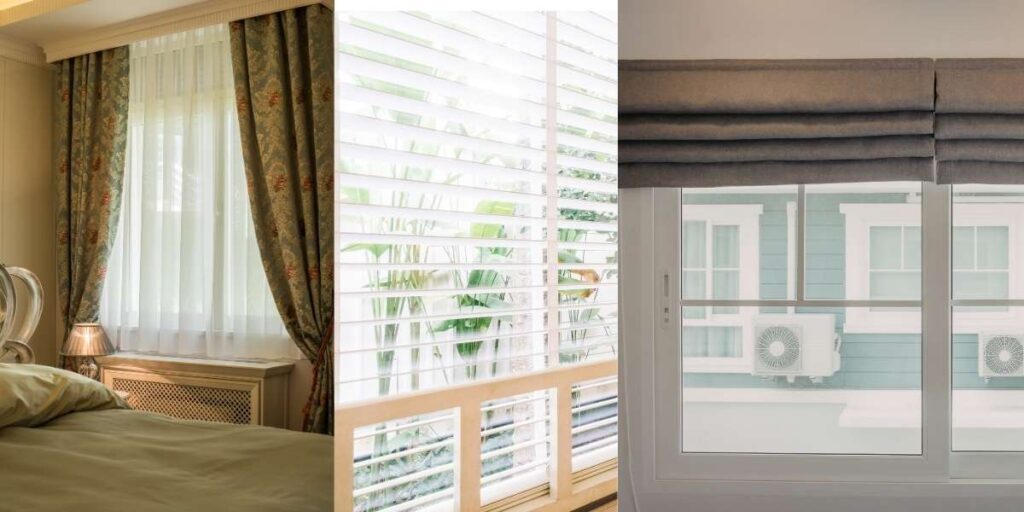
Horizontal or vertical slats that tilt open and closed. Materials: wood, faux wood, aluminum, vinyl. You control exactly how much light comes in.
The 3 Types You’ll Actually Deal With
- Venetian blinds: Horizontal slats. Classic office look but works at home too. Aluminum is cheap; wood looks premium.
- Vertical blinds: Tall vertical slats for sliding doors or big windows. Old school but practical for wide openings.
- Faux wood blinds: Look like wood but are made from PVC/composite. This is key for kitchens and bathrooms. Real wood warps with moisture. Faux wood laughs at steam.
What They Do Well
- Best light control on the planet. Tilts slats 20 degrees and gets a stripe of light without anyone seeing in. Want privacy but still some lights? Tilt up. Nothing else gives you that precision.
- Dust sits on flat slats. Wipe and done. No washing machine.
- Durable. Faux wood blinds in my bathroom have survived 4 years of steam and splashes. Real wood wouldn’t be wrapped and cured in 4 months.
Where They Suck
- Not cozy. They’re rigid and cold. Your living room won’t feel “soft” with metal blinds. It feels office-y
- Dusting each slat gets old fast. There are 50 slats on one window. That’s 100 sides to wipe.
- Slats bend. Kids, pets, vacuum cleaners. One hit and you’ve got a cooked blind that drives you mad every time you look at it.
Use Them When
Anywhere you need privacy + light control + easy wipe-down. If moisture is involved, go faux wood 100% of the time.
4. Shades: The smooth operators
What They Actually Are
One single piece of fabric that rolls up, folds up, or collapses down. No slats. No gaps. Just fabric. Clean lines.
The 4 Types You’ll Actually Deal With
- Roller shades: Flat fabric on a tube. Pull down, done. Most minimal modern look.
- Roman shades: The fabric folds into neat horizontal pleats when you raise them. Soft look, but still fabric. Elegant.
- Cellular/Honeycomb shades: Fabric shaped like honeycomb tubes. Trap air. Best insulation you can get without drapes. Looks boring, performs amazingly.
- Sheer shades: Stripes of fabric + sheer fabric. During the day, you get soft diffused light. At night, they go opaque for privacy.
Best for both worlds.
What They Do Well
- Clean, modern look. No slats to dust. Just one smooth surface. Wipe with a damp cloth.
- Insulation, especially cellular shades. The honeycomb traps air. My office stays 3 degrees warmer in winter with them.
Energy bill proof.
Where They Suck
- When they’re down, they’re down. You can’t tilt for “a little light” like blinds unless you buy “top-down button-up” shades, and those cost more
- Fabric stains. Spill coffee on a white roller shade, and it’s there forever unless it’s treated fabric. Ask for stain-resistant.
- Mechanisms can fail. Cheap roller shades stop rolling smoothly after a year. The spring dies, and it just hangs there.
Use Them When
Bedrooms for blackout, modern living rooms for a minimal look, and any room where you hate dusting slats. Cellular shades if your energy bill is high.
Final Thoughts
- Curtains = style and budget swaps. Change them when you’re bored.
- Drapes = blackout and insulation. Pay more, sleep better, save on heating.
- Blinds = precision light control and easy cleaning. Wipe and go.
- Shades = clean modern look and smooth operation. No dust traps.
There’s no “best” one for every home. There’s only the best one for that specific window and how you actually live.