Skip to content
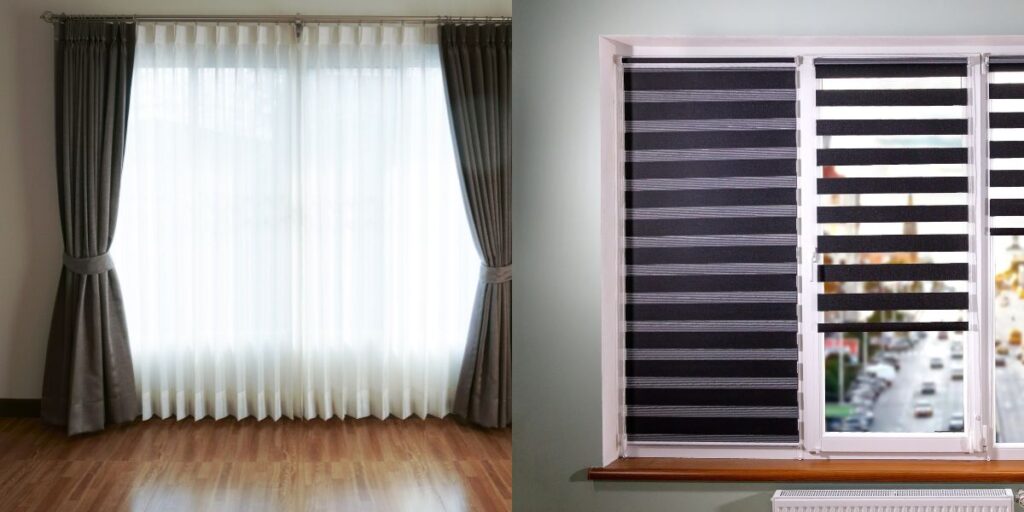
What if the reason your room feels dull, hot, or lacking privacy is simpler than you think? People are often frustrated by harsh light, loud streets, or dull interiors. But they continue to delay one simple upgrade. Combining blinds with curtains is the best way to solve many of your daily problems. This pair can transform how your home feels, looks, and functions instantly.
Each blind and curtain has a unique purpose. Blinds are designed to fit tightly into the window frame and provide precise control of light. Curtains can add texture and warmth to your room while also enhancing privacy and sound insulation. In this blog post, we will explain the advantages of both blinds and curtains, as well as their practical applications, so you can make an informed decision before purchasing. Are you ready to change the look of your room? Let’s get started.
What are the benefits of curtains and blinds?
You can control your comfort level and aesthetics by using both blinds and curtains. Combining blinds and curtains solves daily problems that are not possible with a single treatment.
Light control
Curtains soften overall brightness, while blinds allow you to adjust the sunlight precisely. They work together to help you adjust the amount of light that enters your room. You can choose to block out glare or allow soft sunlight, as well as completely dim the room. This multi-layered control ensures your space is comfortable throughout the day.
Temperature Control
Curtains and blinds can help keep your rooms warmer during cooler months by adding an extra layer of insulation. The combination of these two elements helps to stabilize the indoor temperature naturally. Your home will feel more comfortable throughout the day when both are in use. You will also consume less energy in order to maintain your comfort.
Acoustic Insulation
The thicker the curtains, the more they absorb noise. And blinds are another way to reduce external noise. Together, these two elements create a more peaceful environment. It is particularly useful in rooms that face busy streets or areas with more traffic. Layered setups reduce echoes and make indoor spaces more tranquil.
Enhanced Privacy
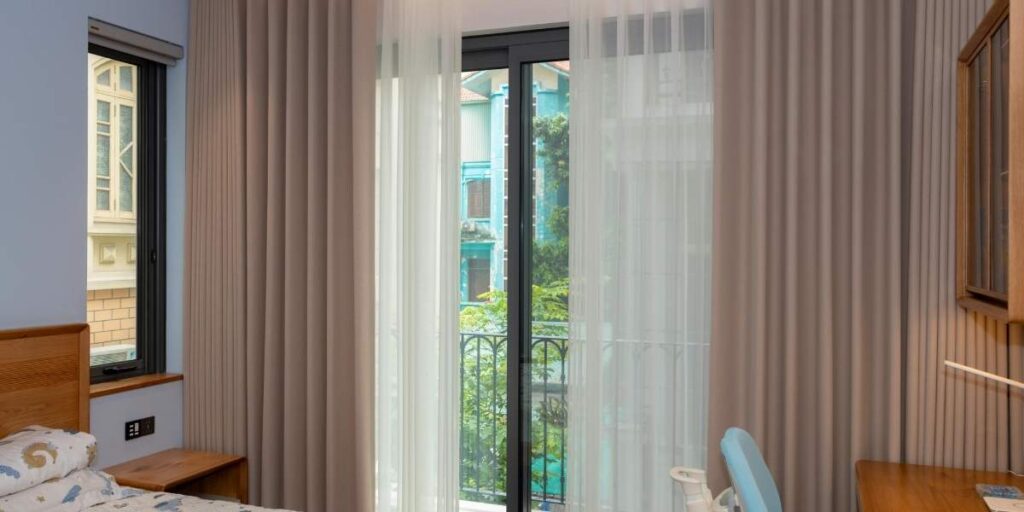
The blinds will block the direct view into your house, while curtains provide an additional layer of security. The blinds can remain tilted up for maximum daylight, and the curtains can be closed to create a softening effect. This combination will protect your privacy both at daytime and at night. This pair offers comfort without sacrificing freedom.
UV Protection
Curtains and blinds protect furniture from long-term damage and fading. Double-layering reduces exposure to harmful rays while retaining pleasant natural lighting. The interior décor will last for many years with this setup. It also prevents your room from becoming too hot under direct sunlight.
Style versatility
The curtains add texture and color, while the blinds provide a structure. The combination of the two creates a style with layers that can be used in modern or classical interiors. To suit your own taste, you can combine materials, patterns, and tones. The flexibility of this approach makes the room more refined.
Flexible options for rooms
The combination is great for bedrooms, offices, and living spaces that face the street. The blinds are functional and add warmth, while the curtains provide comfort. The pairing can be adapted to suit the purpose of each room. You can easily adjust the elements to suit your requirements, regardless of whether you require darkness, softness, or privacy.
The Factors to Consider when Choosing Blinds And Curtains
Be sure to consider the following practical factors before investing in both:
1. The Window and Room Size
Different rooms serve different purposes. For perfect darkness, bedrooms usually require blackout curtains with blinds. To filter the sunlight, living rooms prefer lighter curtains and adjustable blinds. The size of the window is important as well. Larger windows may require floor-length blinds or vertical curtains, while smaller ones might be better suited to Roman blinds with short curtains.
2. Materials and Fabrics
Choose from sheer, light fabrics to heavier blackout curtains. Select materials according to your needs for insulation and light filtering. The blinds are made of wood, fabric, aluminum, and faux wood. Select materials that match your curtains or the room’s style.
3. Installing and Maintaining
Both can require more work than one window treatment, as you will need to mount the blinds in their frames and install a curtain rod separately. Blinds are easily cleaned with a rag, while curtains might need to be washed or dried.
Popular Blinds & Curtains Combinations
These are the combinations that interior designers and homeowners like to use:
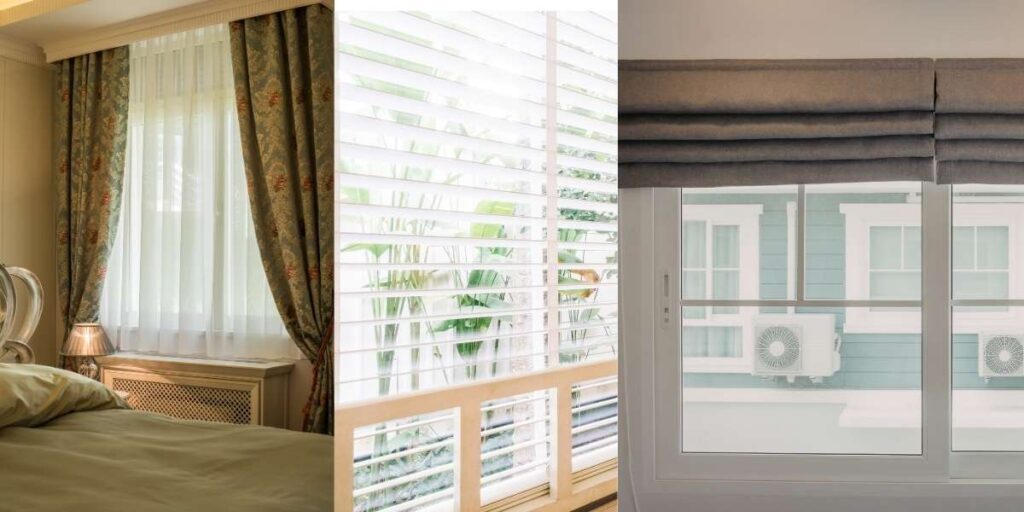
- Wooden Blinds with Linen Curtains: It creates a rustic, yet warm appearance. While the wooden blinds bring structure to a room, linen curtains provide softness and natural texture.
- Aluminum Blinds and Velvet Curtains: This combination is perfect for modern homes, combining sleek metallic blinds along with luxurious velvet curtains.
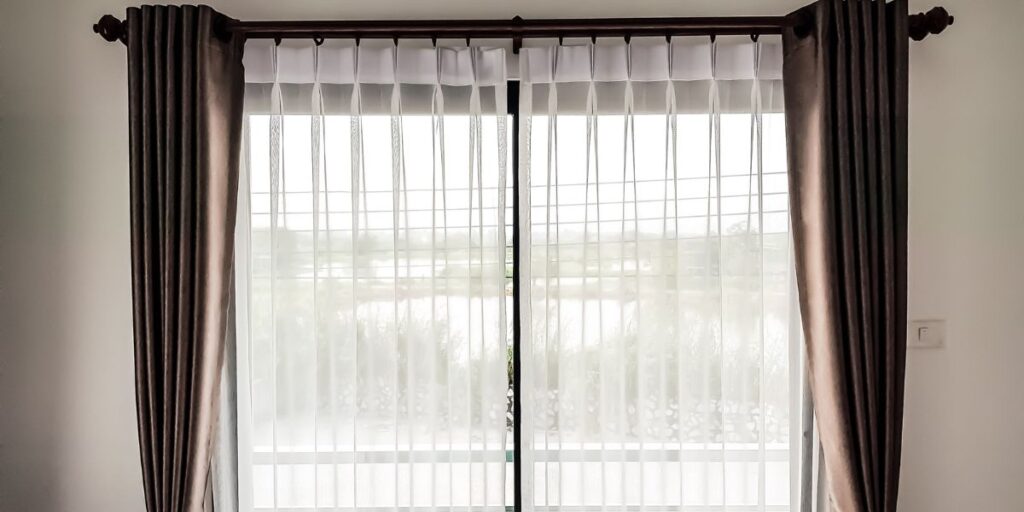
- Roman Blinds and Sheer Curtains: Roman blinds have clean, classic lines. Sheer drapes add an elegant layer that filters sunlight.
Tips on Buying Blinds & Curtains
- Before purchasing, measure your windows.
- You can choose bold or neutral colors depending on your mood.
- You should choose blinds and fabrics with insulation properties.
- Choose curtains that complement your overall room theme.
- For a unique look, consider consulting with an interior designer.
FAQs
1. Can blinds or curtains make a space look smaller?
Yes, but they do not have to. You can create a more spacious and open feeling in your home by choosing lighter shades and the correct length of curtains.
2. Do blinds or curtains work on corner and bay windows?
You can use both on corner and bay windows. Just make sure you use the right blinds for each panel and flexible curtain rods.
3. Are blinds and curtains child-friendly?
Yes, they can be safe for children if you use cordless blinds with secure curtain rods. It will keep your windows safe and secure for children.
4. Can blinds or curtains reduce allergy symptoms?
When maintained properly, blinds can be helpful. Washing curtains and blinds regularly will keep dust levels down.
Final Thoughts
Blinds and curtains offer more than window protection. Having blinds and curtains offer the perfect blend of privacy, light control, and style. It requires some care and investment, but the advantages far outweigh its downsides. If you are looking for a stylish and practical way to reduce your energy costs or warm up your home, then this combination works best. It is a great way to enhance the comfort of your home and improve its design.